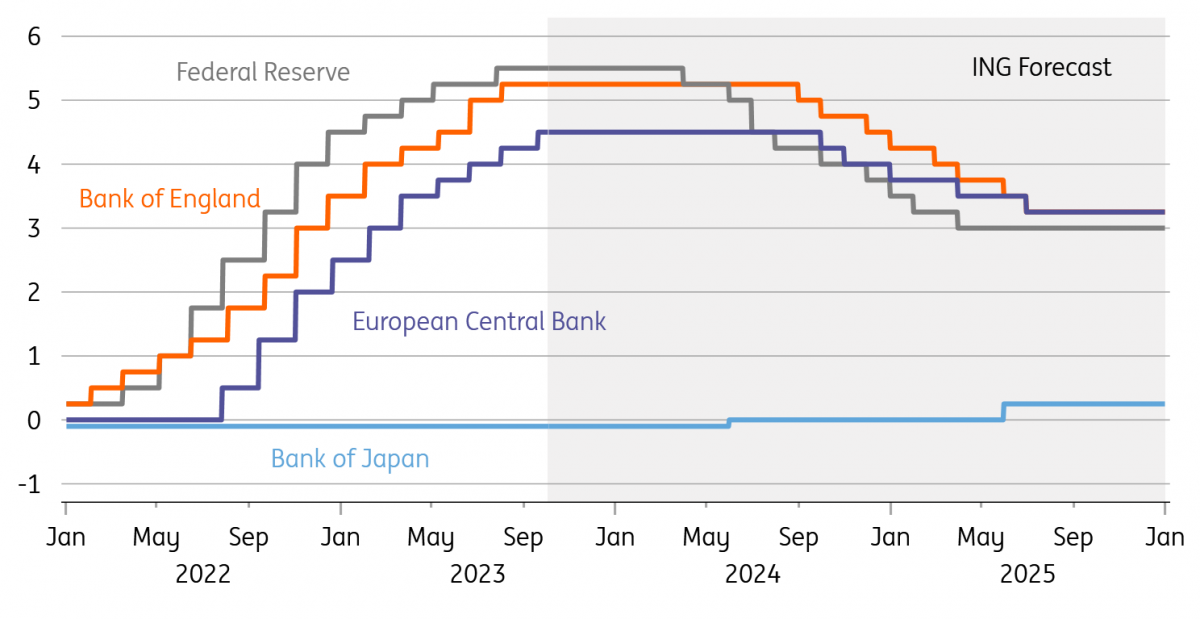
An unexpected interest rate cut can rattle financial markets, spark volatility, and signal deeper economic trouble rather than relief. While rate cuts were once viewed as bullish, today they often imply weakening growth, hidden financial stress, or policy miscalculations. Understanding how markets, investors, and households react to surprise rate cuts is essential in today’s fragile global economy.
Introduction: When “Good News” Feels Like a Warning
For decades, investors and everyday Americans believed one simple idea: lower interest rates are good for the economy. Cheaper borrowing fuels spending, businesses expand, stocks rise, and financial stress eases. That logic worked for a long time.
But the economic world has changed.
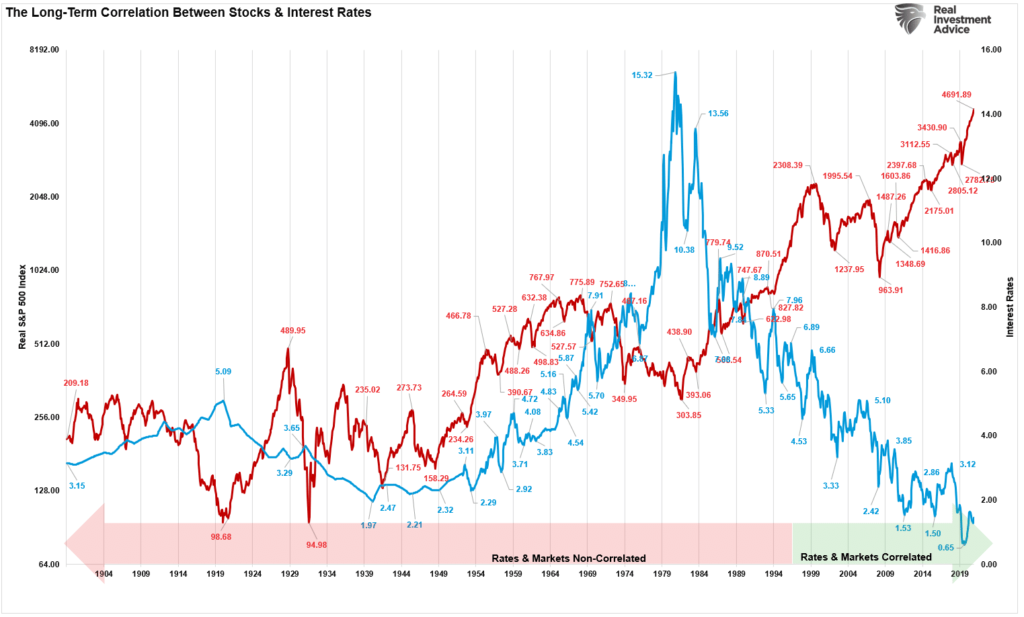
Today, one unexpected rate cut could shock the markets, not because it helps—but because of what it reveals. When central banks cut rates earlier or more aggressively than expected, markets don’t see reassurance. They see fear behind the curtain.
In an era defined by record debt, fragile confidence, and post-pandemic distortions, rate cuts have become signals—not solutions. This article explores why surprise rate cuts now unsettle markets, how different asset classes react, real-life examples from past cycles, and what investors and households should do next.
Why Would a Central Bank Cut Rates Unexpectedly?
Central banks almost never act randomly. A surprise rate cut usually means policymakers see risks that haven’t fully surfaced yet.
Historically, unexpected cuts occur when:
- Economic data suddenly deteriorates
- Financial institutions face liquidity stress
- Credit markets begin to freeze
- Inflation expectations fall too quickly
- External shocks threaten stability
In simple terms, central banks cut unexpectedly when they believe waiting would be more dangerous than acting early.
The Hidden Message Markets Hear
When a rate cut comes earlier than expected, investors immediately ask:
“What broke?”
That question alone is enough to shift market psychology from optimism to caution.
Why Markets Fear Surprises More Than Bad News
Markets can handle bad news—as long as it’s expected.
What markets struggle with is surprise.
An unexpected rate cut disrupts forecasts, invalidates positioning, and forces rapid repricing across stocks, bonds, currencies, and commodities. Algorithms react first, humans second—but the fear spreads quickly.
Real-Life Example: 2007–2008
In late 2007, the Federal Reserve unexpectedly cut rates as cracks appeared in the housing market. Stocks initially rallied. But investors soon realized the Fed wasn’t stimulating growth—it was responding to systemic damage.
Within months, the global financial crisis unfolded.
The lesson is clear: surprise cuts often mark the beginning of trouble, not the end of it.
How Stocks React to an Unexpected Rate Cut
Phase 1: The Relief Rally
Immediately after a surprise rate cut, stocks often jump. Headlines scream “stimulus,” traders buy risk assets, and short-term momentum pushes markets higher.
This phase is emotional and fast.
Phase 2: The Reassessment
Once investors process why the rate cut happened, the mood shifts. If the cut suggests weakening demand, declining profits, or financial stress, markets often reverse.
Stocks that tend to suffer most include:
- Banks (lower interest margins)
- Small-cap companies (economic sensitivity)
- Consumer discretionary stocks
- Highly leveraged growth firms
In modern markets, rate cuts can hurt stocks if they signal recession risk.
Bonds Often Reveal the Truth First
Bond markets are less emotional and more analytical than equities.
When a surprise rate cut occurs:
- Treasury yields typically fall sharply
- Yield curves may invert further or steepen suddenly
- Corporate bond spreads often widen
This tells a powerful story: investors are moving toward safety while demanding higher compensation for risk.
Historically, bond market reactions to surprise rate cuts have preceded economic slowdowns more reliably than stock market signals.
What Happens to the U.S. Dollar and Global Markets?
The dollar’s reaction depends on why the rate cut occurred.
Scenario 1: U.S.-Specific Weakness
- Dollar weakens
- Emerging markets get temporary relief
- Commodities may rise
Scenario 2: Global Financial Stress
- Dollar strengthens as a safe haven
- Emerging markets face capital outflows
- Global risk assets decline
This explains why unexpected U.S. rate cuts often trigger currency volatility worldwide.
Housing and Mortgages: Lower Rates, Higher Uncertainty
Conventional wisdom says lower rates boost housing. But surprise rate cuts often freeze decision-making instead.
When economic confidence weakens:
- Buyers delay purchases despite lower mortgage rates
- Sellers pull listings
- Builders slow construction
- Commercial real estate suffers disproportionately
Real-life example: During past downturns, mortgage rates fell sharply—but home sales stalled because people feared job losses more than high interest costs.
In housing, confidence matters more than interest rates.
Why Today’s Economy Is Especially Vulnerable
Today’s rate-cut environment is fundamentally different from previous decades.
Structural Fragilities Include:
- Record levels of government and consumer debt
- Asset prices inflated by years of easy money
- Persistent inflation in essential services
- Heavy dependence on financial markets for economic growth
In this environment, rate cuts don’t create confidence—they test it.
How One Unexpected Rate Cut Can Trigger a Chain Reaction
A single surprise move can ripple across the system:
- Stock market volatility spikes
- Hedge funds unwind leveraged trades
- Credit conditions tighten despite lower rates
- Banks reduce lending
- Consumers increase precautionary savings
This paradox—easier policy leading to tighter conditions—defines modern financial risk.
Practical Advice for Investors
Rather than predicting central bank decisions, resilient investors prepare for volatility.
Key Investor Takeaways
- Avoid excessive leverage
- Diversify across assets and timeframes
- Watch bond markets, not just stocks
- Maintain liquidity
- Prioritize balance-sheet strength
Rate cuts don’t eliminate risk—they often expose it.
What Everyday Americans Should Understand
You don’t need to trade markets to feel the impact of surprise rate cuts.
Household Impacts Include:
- Increased retirement account volatility
- Potential job market weakness
- Tighter credit availability
- Lower savings yields
Understanding these dynamics helps families make smarter decisions about spending, saving, and borrowing during uncertain periods.
Frequently Asked Questions (SEO-Optimized)
1. Why would a rate cut cause markets to fall?
Because it often signals economic weakness rather than growth support.
2. Are unexpected rate cuts bad for investors?
They increase uncertainty and volatility, especially short term.
3. Do rate cuts prevent recessions?
Not always. Many recessions begin after cuts start.
4. Which stocks suffer most after surprise cuts?
Banks, small caps, cyclicals, and leveraged growth stocks.
5. How do bonds react to unexpected rate cuts?
Government bonds rise; riskier credit often weakens.
6. Can a rate cut trigger a market crash?
Rarely alone, but it can accelerate existing risks.
7. Should investors buy stocks after rate cuts?
Only if fundamentals support growth, not fear-driven policy.
8. How do rate cuts affect inflation expectations?
They can weaken confidence in long-term price stability.
9. Are rate cuts good for mortgages?
Sometimes, but uncertainty can reduce demand.
10. What should long-term investors focus on?
Diversification, discipline, and financial strength.
Final Thoughts: The Signal Matters More Than the Cut
In today’s markets, the meaning of a rate cut matters more than the rate cut itself. An unexpected move isn’t reassurance—it’s information.
And often, that information suggests the system is under more stress than headlines admit.
For investors, households, and policymakers alike, understanding this shift is essential. Because in the modern economy, rate cuts don’t calm markets—they challenge them.
