
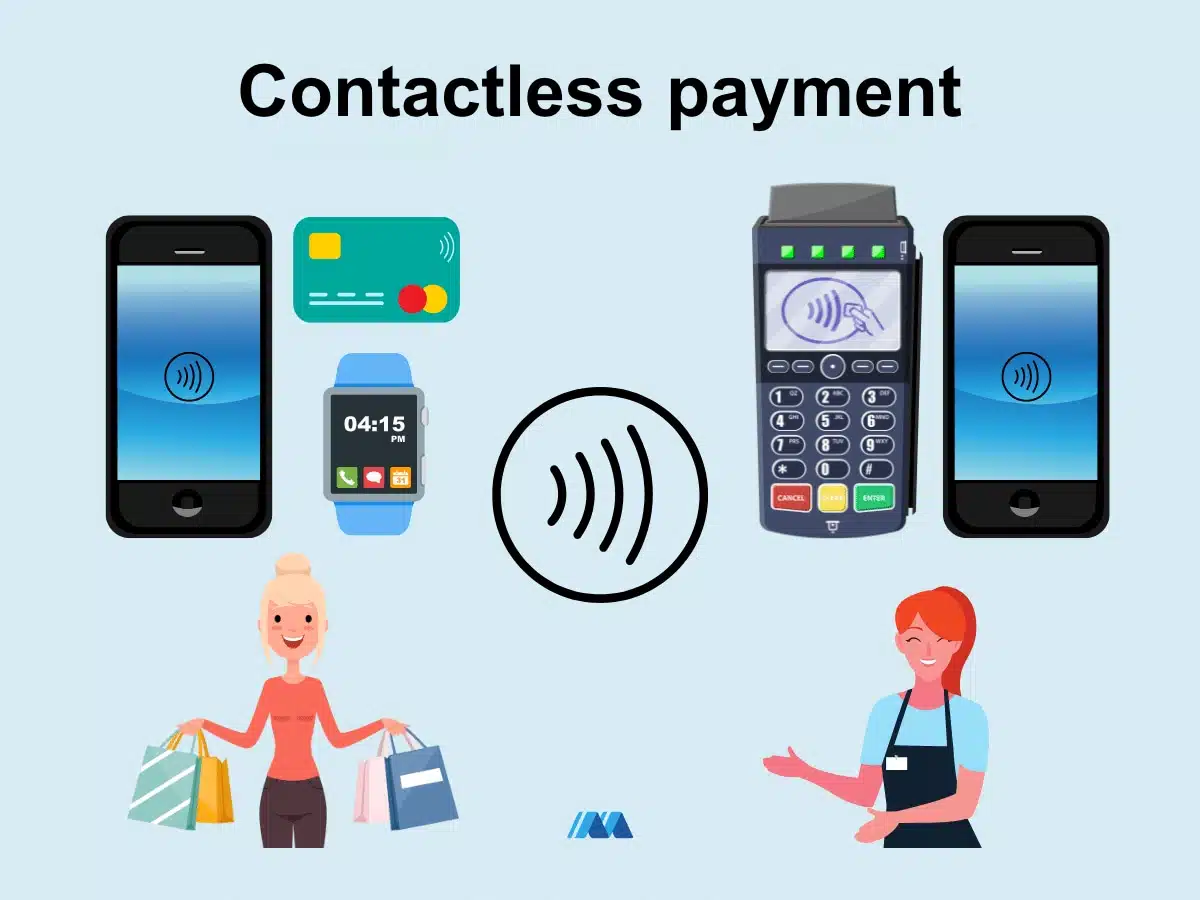
America is moving away from physical cash far faster than most people realize. Driven by mobile payments, fintech apps, digital wallets, and evolving consumer behavior, cashless transactions are becoming the default across everyday life. This article explores why the shift is accelerating, how digital coins fit in, who benefits, who is at risk, and what Americans should do to stay financially prepared.
Introduction: The Silent Disappearance of Cash in Everyday America
For decades, cash symbolized freedom, privacy, and control. It worked without electricity, without apps, and without permission. Yet today, many Americans go days—or even weeks—without touching a single dollar bill. This change didn’t arrive with dramatic headlines or sweeping legislation. Instead, it crept in quietly through convenience, technology, and habit.
You may notice it when a café says “card only,” when a concert venue refuses cash at the gate, or when a friend asks you to “just Venmo me.” These moments feel small on their own. Together, they signal one of the most significant financial transformations in modern American history.
The United States is not officially “cashless,” but it is becoming less-cash, faster than expected. This shift is reshaping how people spend, save, transfer value, and even think about money itself.
Why Is America Going Cashless So Quickly?
The decline of cash is not the result of a single decision. It’s the outcome of overlapping forces that reinforce each other.
Convenience Is the Primary Driver
Americans value speed and simplicity. Tapping a phone or watch is faster than counting bills. Sending money digitally feels easier than finding an ATM. Over time, convenience reshapes behavior, and behavior reshapes systems.
Consider everyday scenarios:
- Paying for groceries with a mobile wallet
- Splitting rent instantly through a payment app
- Automatically paying utilities and subscriptions
Once friction disappears, cash begins to feel unnecessary.
Businesses Have Strong Incentives to Avoid Cash
Handling cash costs money. Businesses must store it, transport it, protect it, and reconcile it. Digital payments reduce these burdens while offering detailed transaction data.
Many businesses quietly prefer cashless systems because they:
- Reduce theft and human error
- Speed up checkout lines
- Simplify accounting and payroll
- Enable data-driven decision-making
Over time, preference turns into policy.
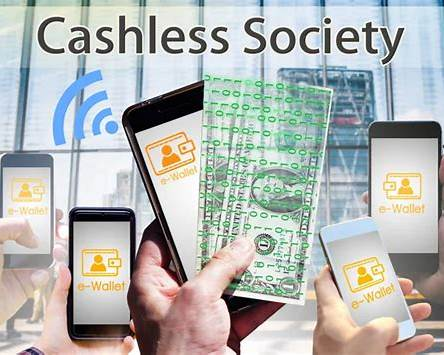
How the Pandemic Accelerated the Cashless Shift
COVID-19 didn’t start the move toward cashless payments, but it accelerated adoption at an unprecedented speed. Health concerns around physical money normalized contactless payments almost overnight.
Millions of Americans who had never used:
- Mobile wallets
- QR code payments
- Peer-to-peer transfer apps
Suddenly relied on them daily. Even after the pandemic, those habits remained. Once people experienced convenience, there was little incentive to go back.
Where Cash Is Already Disappearing in the U.S.
Many Americans don’t realize how many spaces have effectively gone cashless.
Everyday Places Where Cash Is Fading
- Sports stadiums and concert venues
- Airports and airline services
- Ride-sharing and food delivery platforms
- Parking meters, toll roads, and public transit
- Subscription-based businesses
In major cities, it’s now possible to live almost entirely without physical money.
Are Digital Coins and Cryptocurrencies Replacing Cash?
Not exactly—but they are reshaping expectations about money.
Cryptocurrencies are not widely used for everyday purchases in the U.S., but they’ve introduced new ideas about how money can work. Instant settlement, borderless transfers, and programmable value are no longer theoretical concepts.
The Role of Stablecoins
Stablecoins—digital tokens pegged to the U.S. dollar—are especially important. They combine price stability with digital speed, making them attractive for:
- Freelancers and remote workers
- International remittances
- 24/7 transfers without banks
While still niche, stablecoins demonstrate how digital money can outperform cash in specific use cases.
The Digital Dollar Conversation Americans Rarely Hear About
The idea of a U.S. Central Bank Digital Currency (CBDC) is often misunderstood. While no retail digital dollar exists today, ongoing research alone signals where global finance is heading.
A digital dollar would not automatically eliminate cash, but it would:
- Increase payment efficiency
- Enable faster government disbursements
- Modernize settlement infrastructure
Even without implementation, the conversation itself reflects a broader shift toward digital money systems.
The Benefits of a Cashless Economy for Everyday Americans
For many people, going cashless feels like progress.
Advantages Most Consumers Experience
- Faster and easier payments
- Automatic transaction records
- Reduced risk of loss or theft
- Integration with budgeting and savings tools
- Access to rewards and cash-back programs
Digital payments also make financial management more visible and organized—if used responsibly.
The Hidden Downsides of a Cashless Society
The risks of a cashless economy are less visible but equally important.
Common Pain Points People Overlook
- Increased impulse spending
- Reduced financial privacy
- Dependence on technology and internet access
- Vulnerability during outages or system failures
Cash provides anonymity and resilience. Digital systems trade those benefits for convenience and efficiency.
Who Is Most Affected by the Move Away From Cash?
The cashless shift doesn’t impact everyone equally.
Groups Facing the Greatest Challenges
- Older adults unfamiliar with digital tools
- Low-income households without stable banking access
- Rural communities with limited internet infrastructure
While fintech promises inclusion, adoption remains uneven, and gaps still exist.
How Fintech Apps Are Replacing Physical Wallets
Fintech platforms now function as full-service financial hubs.
Many Americans manage:
- Spending
- Saving
- Investing
- Borrowing
From a single app. Physical wallets are being replaced by smartphones, watches, and cloud-based accounts.
Real-Life Example
A college student today may:
- Receive money digitally
- Pay rent through an app
- Shop using mobile wallets
- Track spending automatically
Cash rarely enters the picture.
Is Money Becoming Easier to Control and Track?
Digital money creates data. That data helps prevent fraud and enables faster services—but it also raises concerns.
Cash transactions are private. Digital payments are recorded. This trade-off is at the heart of debates around surveillance, data security, and financial autonomy.
The issue isn’t whether digital money is good or bad—it’s whether users understand the implications.
Practical Ways Americans Can Prepare for a Cashless Future
The smartest approach isn’t resistance or blind adoption—it’s balance.
Practical Takeaways
- Maintain multiple payment methods
- Keep emergency funds accessible
- Monitor spending regularly
- Use strong passwords and two-factor authentication
- Avoid relying on a single platform
Financial resilience matters more as money becomes increasingly digital.
Will Cash Completely Disappear in the United States?
Despite alarming headlines, cash is unlikely to vanish overnight. Instead, it’s becoming a backup option rather than the default.
Historically, old monetary systems fade gradually. They coexist with new ones until usage naturally declines. Cash may follow the same path.
Frequently Asked Questions (Trending Search Queries)
1. Is America officially going cashless?
No. Cash is still legal tender, but its usage is declining rapidly.
2. Why are some U.S. businesses cashless?
Digital payments reduce costs, speed up service, and improve record-keeping.
3. Are digital payments safer than cash?
They reduce theft risk but introduce cybersecurity and privacy concerns.
4. Can the government ban cash?
There is currently no plan to eliminate cash in the U.S.
5. Do people spend more when paying digitally?
Yes. Studies show cashless payments often lead to higher spending.
6. Are cryptocurrencies replacing the U.S. dollar?
No, but they are influencing how future payment systems evolve.
7. What happens if digital payment systems go down?
Outages highlight the importance of redundancy and emergency planning.
8. Is going cashless bad for low-income Americans?
It can be if access to digital tools is limited.
9. Should I stop carrying cash altogether?
No. Small amounts still offer flexibility and security.
10. What’s the smartest way to adapt to a cashless economy?
Stay informed, diversify payment options, and practice mindful spending.
Final Thoughts: A Financial Shift Hiding in Plain Sight
America’s move from cash to digital money isn’t loud or dramatic—but it is irreversible. The transition is driven not by mandates, but by convenience, technology, and changing expectations.
Those who understand this shift can adapt wisely and protect their financial independence. Those who ignore it risk being unprepared in a world where money is increasingly invisible.
The future of money is already here—it just doesn’t look like a dollar bill anymore.
