
Stock markets are signaling optimism, but bond markets are quietly flashing caution. This growing divergence reflects deeper concerns about economic growth, inflation durability, debt sustainability, and financial stability. By examining yield curves, investor behavior, historical precedents, and real-world impacts, this article explains why bond markets often see trouble before stocks—and why ignoring that message can be costly.
Introduction: When Markets Disagree, History Says Pay Attention
If you only look at stock market headlines, the message seems clear: the economy is holding up. Major indexes are resilient, volatility remains subdued, and investor confidence appears strong. Many market participants believe the worst economic fears have already passed.
But another market is telling a very different story.
Bond markets—often quieter, slower-moving, and less glamorous—are signaling caution. In some cases, they are outright contradicting the optimism priced into stocks. This divergence is not unusual, but it is historically significant.
When stocks and bonds disagree, it’s rarely the bond market that turns out to be wrong.
Bond investors tend to focus less on short-term excitement and more on long-term survival: growth sustainability, inflation erosion, credit risk, and systemic stress. When they position defensively while stocks remain bullish, it often reflects concerns that have not yet surfaced in corporate earnings or headlines.
Understanding this disconnect is essential not just for investors, but for anyone trying to understand where the economy may be headed next.
What Are Bond Markets Really Signaling Right Now?
Bond markets communicate through yields, yield curves, and credit spreads. Together, these elements form a powerful signal about how investors perceive the future.
Currently, bond markets are reflecting:
- Persistent concern about long-term economic growth
- Expectations that inflation may cool, but at a cost
- Ongoing demand for safety and liquidity
- Sensitivity to policy mistakes and financial stress
In simple terms, bond investors are positioning for slower growth and higher risk, even while equity investors remain focused on resilience and opportunity.
Why Stocks and Bonds Can Tell Opposite Stories
Stocks and bonds are built to answer different questions.
Stocks ask:
How fast can companies grow earnings, and how much risk are investors willing to take?
Bonds ask:
Will borrowers be able to pay back debt over time, and how much compensation is needed for uncertainty?
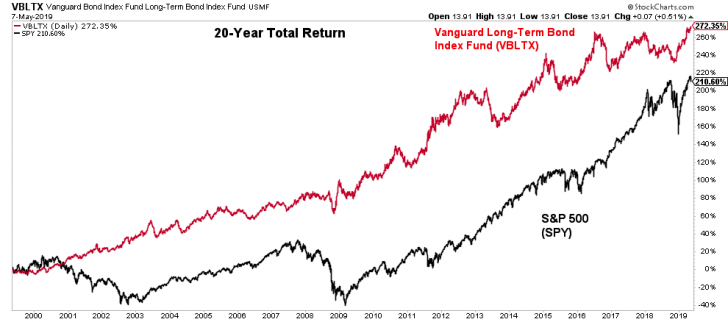
Because of this difference, stocks often thrive on optimism, while bonds thrive on realism. Stocks reward future potential; bonds protect against future disappointment.
When both markets align, the economic outlook is usually clear. When they diverge, it means risk is being repriced differently depending on time horizon and tolerance.
The Yield Curve: The Bond Market’s Most Powerful Signal
One of the most searched questions Americans are asking is:
“What does an inverted yield curve actually mean?”
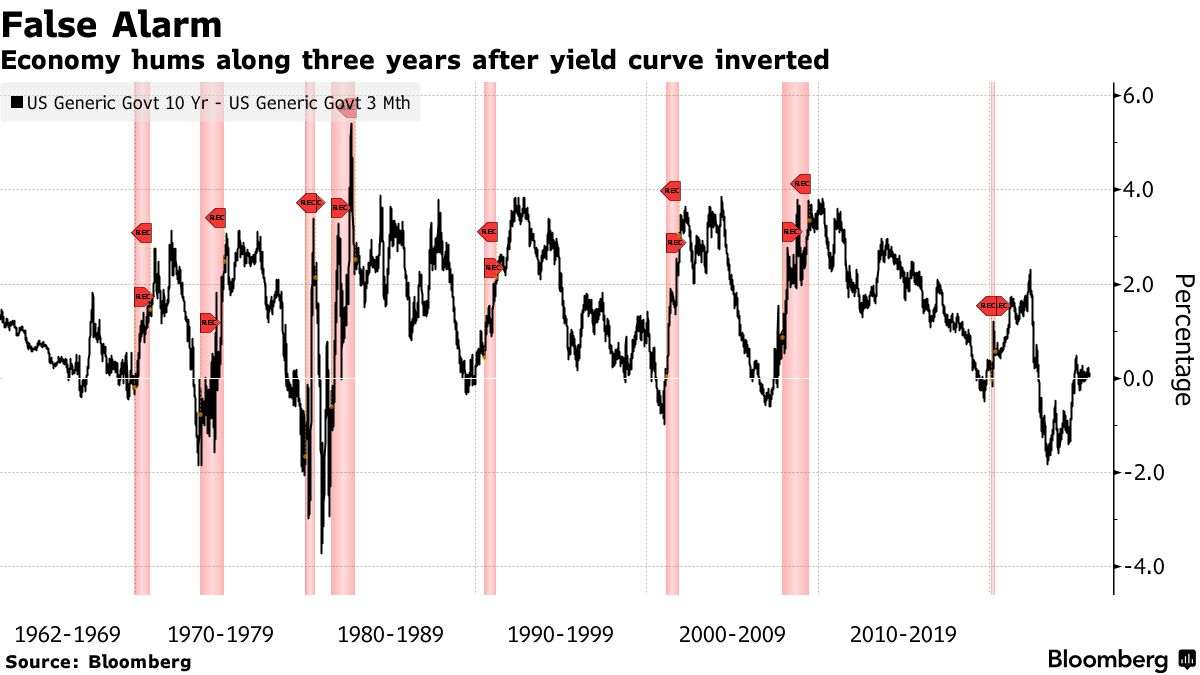
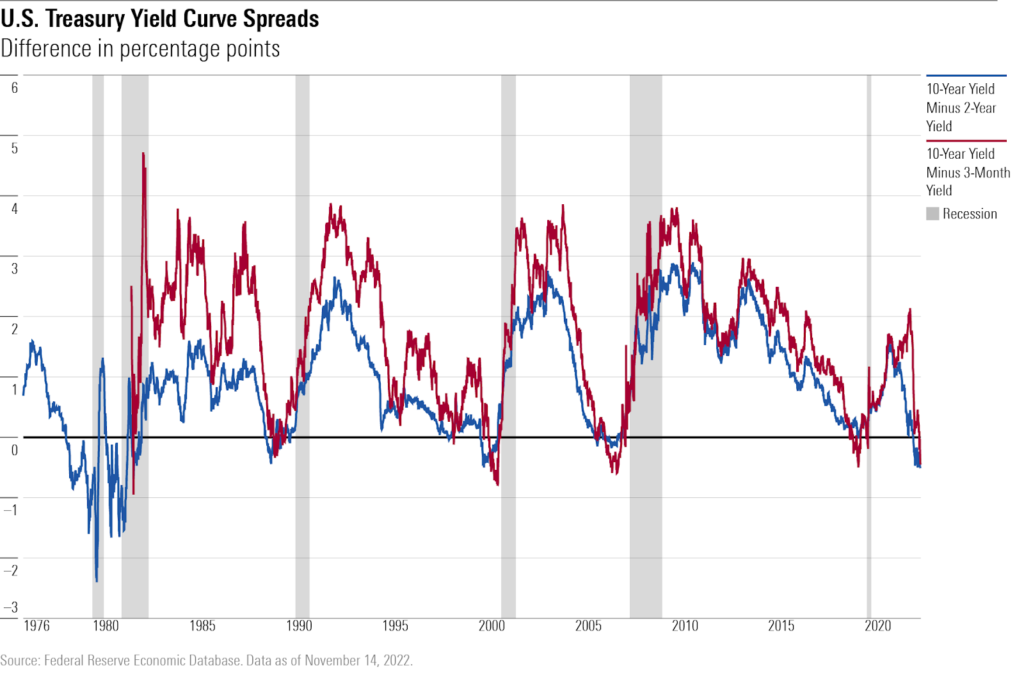
The yield curve compares short-term interest rates to long-term interest rates. Under normal conditions, investors demand higher yields for locking up money longer. When short-term rates exceed long-term rates, the curve inverts.
Historically, yield-curve inversions have preceded nearly every US recession over the last 60 years, often by 6 to 24 months, according to Federal Reserve and academic research.
The yield curve does not predict timing. It signals stress, constraint, and unsustainable conditions.
When bond investors accept lower long-term yields, they are effectively saying: growth ahead looks weaker than growth today.
Why Bond Investors Tend to Be More Conservative
Bond markets are dominated by large institutions: pension funds, insurance companies, endowments, sovereign wealth funds, and central banks. Their goals differ sharply from short-term traders.
They prioritize:
- Capital preservation
- Predictable cash flows
- Inflation protection
- Long-term solvency
These investors cannot afford to be wrong in the same way equity traders can. They position defensively when risks rise—even if growth still looks fine on the surface.
That is why bond markets often react earlier to economic stress.
Stocks Are Pricing Growth—Bonds Are Questioning It
Equity markets today are pricing in:
- Continued consumer spending
- Stable corporate earnings
- Eventual interest rate cuts
- A manageable slowdown, if any
Bond markets, however, are questioning:
- How long consumers can rely on debt
- Whether higher interest costs will strain businesses
- If refinancing risks are being underestimated
- Whether policy tightening has already gone too far
This disagreement is not about optimism versus pessimism. It’s about time horizons.
Historical Examples When Bonds Were Right First
In the early 2000s, bond yields fell while stock markets surged on technology optimism. The bond market was signaling slower growth ahead—long before stocks collapsed.
In the mid-2000s, equities climbed steadily while the yield curve inverted. Bond investors were warning about tightening credit and housing fragility. Stocks ignored the signal—until they couldn’t.
In both cases, bond markets identified systemic stress earlier than equities.
Why Bond Markets Often Detect Trouble Before Stocks
Bond markets are tightly connected to real-world cash flows.
Higher interest rates affect:
- Mortgage affordability
- Corporate refinancing costs
- Government debt servicing
- Consumer credit sustainability
These pressures build quietly and slowly. Stocks can rise for long periods even as underlying financial conditions deteriorate.
Bonds respond to those conditions earlier because their value depends directly on stability, not enthusiasm.
Inflation Expectations: Same Data, Different Interpretations
Another common question:
“Do bond markets think inflation is coming down?”
Bond yields embed inflation expectations. When long-term yields stay contained, it often means investors believe inflation will eventually ease.
But this belief can come from two very different places:
- Confidence that inflation is under control
- Fear that economic growth will slow enough to suppress demand
Stocks usually cheer falling inflation. Bonds may interpret it as a warning sign.
Credit Markets Reveal the Middle Ground
Between stocks and government bonds lie credit markets—corporate bonds, leveraged loans, and high-yield debt.
These markets are showing:
- Stability among strong borrowers
- Rising stress among weaker companies
- Increasing selectivity from lenders
This aligns more closely with the bond market’s caution than with equity optimism. Credit markets often act as the bridge where optimism begins to crack.
What This Means for the Federal Reserve
The Federal Reserve watches bond markets closely because bond yields influence financial conditions across the economy.
Bond signals affect:
- Mortgage rates
- Business investment decisions
- Banking system stress
- Currency markets
When bonds send cautionary signals, central banks face difficult tradeoffs between controlling inflation and avoiding financial instability.
How This Disconnect Affects Everyday Americans
This divergence isn’t just a Wall Street issue.
Bond market signals influence:
- Mortgage and auto loan rates
- Credit card interest costs
- Availability of business loans
- Job security over time
This is why many households feel financial pressure even when stock markets appear strong.
Practical Takeaways for Investors and Households
You don’t need to choose between stocks and bonds—but you should listen to both.
Practical considerations many Americans are weighing:
- Avoid assuming strong stocks mean low risk
- Maintain sufficient emergency savings
- Be cautious with variable-rate debt
- Focus on long-term financial resilience
- Diversify rather than chase momentum
Disagreement between markets is not a crisis—but it is a signal to stay disciplined.
Why This Disconnect Matters More Today
Today’s economy is more sensitive to interest rates than in past cycles.
- Debt levels are higher
- Refinancing risks are larger
- Global markets are more interconnected
- Policy mistakes carry faster consequences
This makes bond-market warnings especially important.
Conclusion: When the Quiet Market Speaks Loudest
Stocks command attention. Bonds reflect reality.
When bond markets send a message that conflicts with stock market optimism, history suggests listening carefully. Bonds may not predict headlines, but they often anticipate the conditions that make those headlines inevitable.
Understanding this divergence isn’t about fear. It’s about perspective.
Sometimes, the most important signal on Wall Street is the one making the least noise.
Frequently Asked Questions (10 SEO-Optimized FAQs)
1. Why are bond markets and stock markets disagreeing?
Because they price different risks—growth versus stability.
2. What is the bond market signaling right now?
Caution about future growth and financial conditions.
3. Is the bond market more reliable than stocks?
Historically, it has often been an earlier warning signal.
4. What does an inverted yield curve mean?
It signals that long-term growth expectations are weakening.
5. Does this mean a recession is guaranteed?
No, but it increases downside risk.
6. How does this affect mortgage rates?
Bond yields directly influence mortgage costs.
7. Why do institutions trust bond signals?
Because bonds reflect long-term capital preservation concerns.
8. Can stocks ignore bond markets indefinitely?
Historically, no.
9. Should investors panic about this divergence?
No—but they should stay cautious and diversified.
10. What’s the best response to conflicting market signals?
Risk awareness, liquidity, and long-term planning.
