
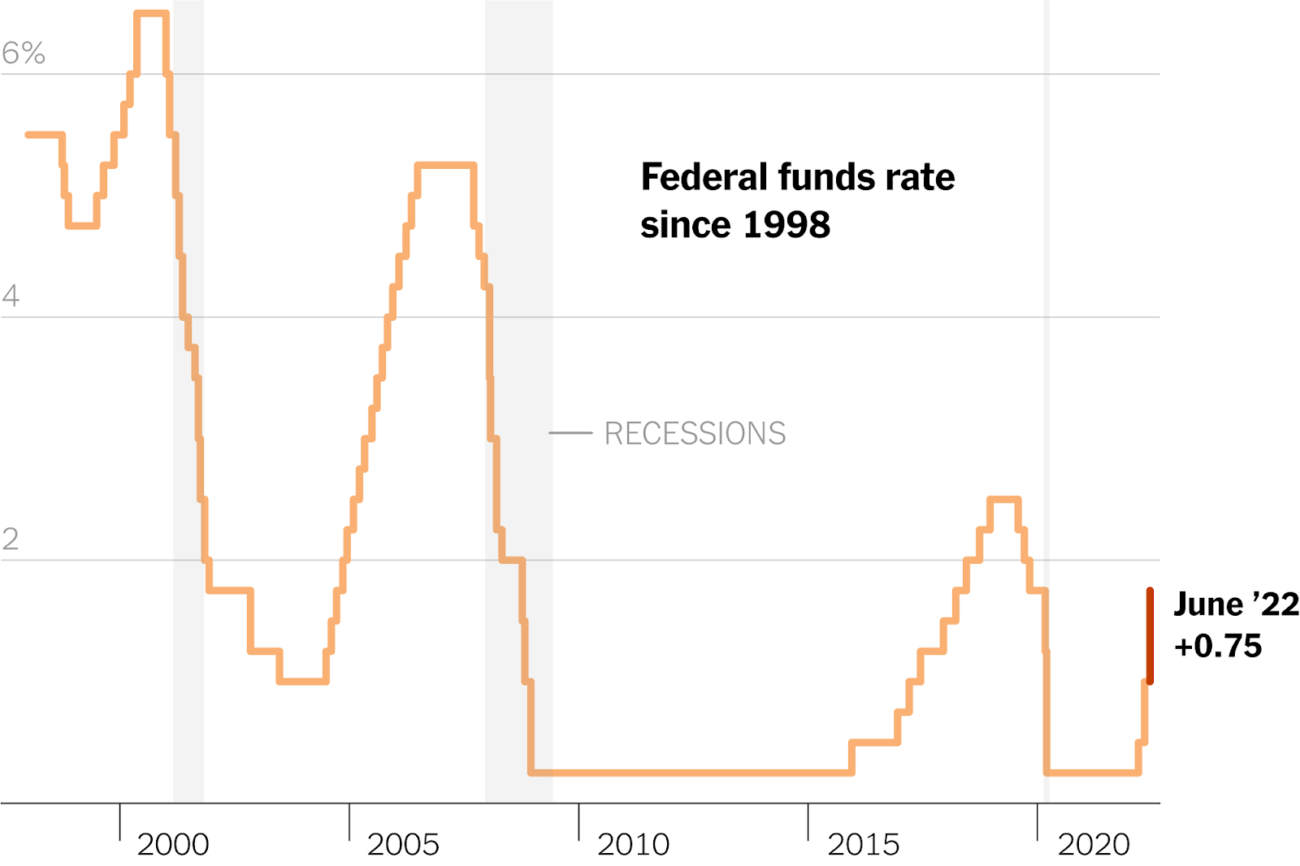
Retirees are nervously watching Federal Reserve policy as unexpected rate moves and persistently low yields threaten income streams like pensions, Social Security, and fixed-income portfolios. With inflation still above target and rates fluctuating amid economic uncertainty, older Americans face real risks to retirement security and future payouts.
Introduction: The Silent Retirement Risk No One’s Talking About
Many retirees spend decades planning how to live on Social Security and pension income, but few factor in how Federal Reserve interest rate decisions could quietly erode that income stream. While the Fed’s moves may seem distant to everyday people, shifting monetary policy directly influences bond markets, pension fund health, annuity yields, and inflation protection — all of which are core to retirement income. Recent rate cuts have highlighted why retirees are feeling uneasy. (Financial Times)
The truth is, the Federal Reserve’s decisions are not just abstract economic policy — they can determine whether a retiree can comfortably pay for groceries, utilities, or healthcare. Understanding the relationship between Fed policy and retirement income is crucial for anyone depending on fixed-income sources.
How Federal Reserve Policy Impacts Retirement Income
The Federal Reserve (Fed) sets monetary policy through interest rate decisions and other tools that shape economic conditions. For retirees and pension beneficiaries, its decisions matter because:
- Bond yields influence pension fund returns: When rates fall, newly issued bonds pay less, shrinking future income.
- Annuities and fixed-income products lose appeal: Lower long-term rates reduce payouts for annuities and certificates of deposit (CDs).
- Stock market volatility increases: Fed policy shifts can create market swings, which impact pension assets and the cost of living adjustments (COLAs).
- Inflation affects purchasing power: Monetary policy partially determines inflation trends, directly influencing retirees’ daily expenses.
Recent Fed rate cuts, including the third reduction this year, brought the policy rate down to a three-year low amid internal disagreement about the economy’s direction. (Financial Times)

Real-Life Example: How One Retiree Felt the Fed’s Move
Consider Helen, a 68-year-old retired teacher with a modest pension and savings in Treasury bonds. When the Fed cut rates, the yield on newly issued Treasuries dropped. Instead of earning 4% interest like she did five years ago, her new bonds yield closer to 3.5%. That 0.5% difference on a $500,000 portfolio means about $2,500 less per year in income — money she counted on for health care and groceries.
This isn’t theoretical — it’s an everyday impact felt by millions of retirees who rely on fixed income. Small changes in interest rates can significantly alter long-term retirement planning and quality of life.
Why Pension Funds Are Especially Vulnerable to Fed Shocks
Defined-benefit pension plans invest heavily in bonds and long-term fixed-income securities. When the Fed cuts interest rates:
- Existing bonds with higher yields increase in market value, which sounds good — but…
- Future reinvestment returns fall, squeezing income for upcoming retirees or beneficiaries.
- Liabilities grow when discount rates fall, increasing the funding gap.
For underfunded pension plans, this dynamic can push them closer to cutting benefits or increasing employer contributions — a burden often shared by retirees through lower payouts or reduced COLAs.
Trending Economic Signals Retirees Are Watching
Recent news and data show why retirees are paying close attention:
- The Fed cut interest rates for the third time in 2025, bringing the benchmark range to 3.50–3.75%. (Financial Times)
- The Fed signaled a possible pause amid economic uncertainty and leadership transitions. (Reuters)
- Retirees are reporting financial stress, with nearly one-third cutting back on essentials due to rising costs and limited income growth. (Investopedia)
- Rate cuts benefit borrowers but can hurt fixed-rate savers and retirees dependent on yield income. (AARP)
- Market uncertainty has heightened investor focus on monetary policy decisions at major Fed meetings. (Investopedia)
FAQ: What Americans Want to Know Right Now
1. Why do Fed rate cuts matter to my pension income?
Lower interest rates reduce returns on bonds and fixed-income investments that pension plans rely on, weakening overall payout potential.
2. Could the Fed actually slash pensions?
While the Fed doesn’t directly cut pension checks, its rate policy can worsen funding challenges for pension plans. This may lead plan managers to reduce future benefits or delay increases. Many pension funds already operate with thin margins — a policy pivot can widen those gaps.
3. How does inflation factor into this?
Inflation erodes purchasing power. If pension COLAs don’t keep pace with inflation — as many retirees find they don’t — living expenses eat into fixed income, causing stress. (Investopedia)
4. What’s behind the recent Fed rate cuts?
The Fed eased rates in response to slower job growth and economic uncertainty, even with inflation still above target. (IndMoney)
5. Will Social Security help offset pension pressure?
Social Security COLAs offer some relief, but many retirees still report that benefits lag behind real costs of living. (Yahoo Finance)
6. Can I protect my pension from Fed surprises?
Diversifying income sources — working part-time, investing in inflation-protected securities, or delaying Social Security — can help mitigate risks.
7. What should future retirees be doing now?
Start retirement planning early, include flexible income strategies, and periodically review portfolios with financial advisors.
8. Are 401(k) plans also at risk?
Yes — many workers risk losing retirement funds from mismanagement or market volatility, illustrating the importance of financial literacy. (Economic Times)
9. Is now a good time to buy an annuity?
Interest rates influence annuity payouts. With rates lower, annuity income may be less generous than before — but in a volatile market, locking in income can still make sense.
10. What alternative retirement income strategies exist?
Dividend stocks, real estate income, TIPS (Treasury Inflation-Protected Securities), side income, and delayed Social Security are all viable options.
Pain Points Retirees Are Feeling — And How to Respond
Retirees aren’t just worried about numbers — they’re feeling real stress:
- Rising healthcare costs cut into fixed income.
- Slow pension growth means fewer opportunities to catch up.
- Markets that react unpredictably to Fed policy make planning difficult.
What retirees can do:
- Review retirement income strategies with advisors.
- Balance income with inflation-linked investments where possible.
- Consider part-time work or consulting to bridge shortfall gaps.
- Understand pension plan health status via quarterly reports.
Practical Advice: A Retiree’s Checklist
- Review your income sources: Social Security, pension, savings, annuities.
- Check pension funding status: Underfunded plans deserve caution.
- Diversify bonds with TIPS or short-duration funds.
- Consult a fiduciary financial planner annually.
- Assess whether delaying Social Security benefits could boost lifetime income.
By taking these proactive steps, retirees can better weather unexpected Fed moves and protect their hard-earned income.
Conclusion: Why This Matters for Every Retiree
Federal Reserve policy is more than economic theory — it’s a real force shaping retirement life. Every rate move sends ripples through bond markets, pension viability, and personal income streams. With inflation still above target and future rate paths uncertain, retirees must be informed and proactive to protect their financial security. By diversifying income sources, monitoring pension health, and staying informed about Fed policy, retirees can take meaningful steps to safeguard their retirement.
